Positive Behaviour for Learning: Does It Work?
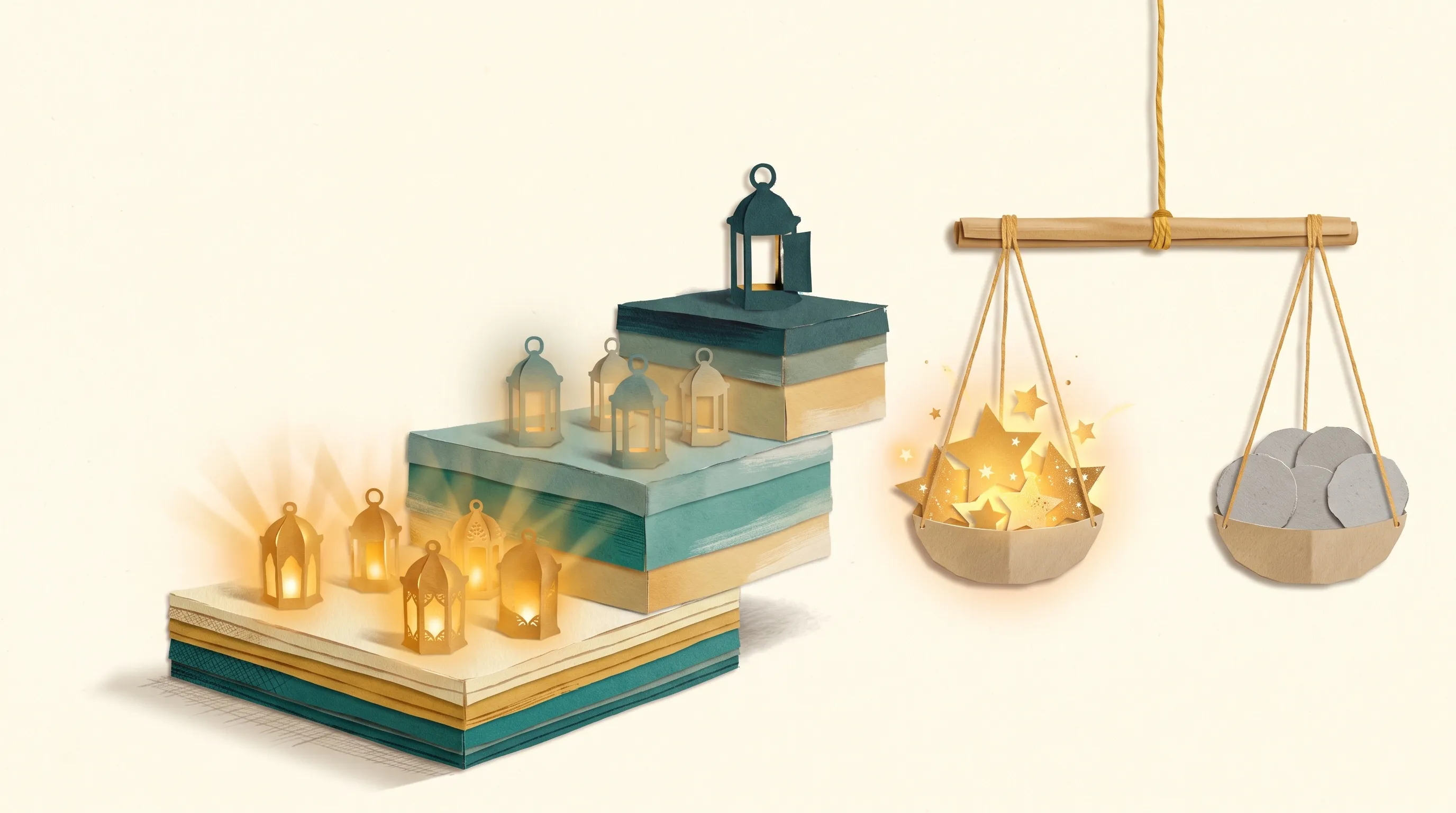
Positive behaviour for learning is a whole-school framework for building a positive learning culture, with support in three tiers: one for every pupil, one for small groups, one for individuals. In New Zealand it is called PB4L, in New South Wales PBL, and in the United States PBIS. The New Zealand Ministry of Education’s guidance describes School-Wide as taking 3 to 5 years to put in place, so the question for a school leader is whether the evidence justifies that commitment.
What positive behaviour for learning is
The New Zealand Ministry of Education describes PB4L School-Wide as “a framework for creating positive learning environments across the school. It is for both the school as a whole and individual students.” Its guidance calls it a long-term, whole-school approach in which each school develops its own social culture. The evaluators at NZCER describe it as “the New Zealand version of a proven international initiative called Positive Behavioral Interventions and Supports”, which is the US PBIS model.
So this is a shared agreement among adults about how behaviour is supported across the whole school. A points app or a reward chart can sit inside it, but neither is the framework.
The three tiers
The final NZ evaluation summarises the structure this way, and NSW describes the same three-tier continuum of support:
| Tier | Who it is for | What it consists of |
|---|---|---|
| Tier 1 | Every pupil | ”a core set of behaviour support systems and practices designed to be used consistently by all to encourage positive behaviour” |
| Tier 2 | A small group needing more | ”targeted interventions for small groups of students who need additional support” |
| Tier 3 | Individual pupils | ”specialised interventions for students who need individualised support” |
PB4L, PBL and PBIS: same idea, different names
Which name you meet depends on where you work.
- New Zealand (PB4L). PB4L is an umbrella for several initiatives, including Incredible Years, PB4L School-Wide and PB4L Restorative Practice. School-Wide is the PBIS-style one. The final NZCER evaluation, published in 2015, looked at schools that joined between 2010 and 2013.
- New South Wales (PBL). The NSW Department of Education calls it an evidence-based framework that brings the whole school community together to develop “a positive, safe and supportive learning culture”. Its evaluation page says 1,608 NSW public schools have implemented it.
- United States (PBIS). The model that New Zealand’s School-Wide programme is a local version of, and the setting of the randomised trial described below.
What the evidence shows
The strongest result: a US randomised trial
Bradshaw, Mitchell and Leaf (2010) ran a five-year randomised controlled trial in 37 Maryland elementary schools, 21 trained in the model and 16 comparison schools. The trained schools implemented it with high fidelity and saw significant reductions in student suspensions and office discipline referrals. A later review by Lee and Gage (2020) pooled 29 studies, 7 of them randomised, and reported reductions in school discipline problems and gains in academic achievement, with small to medium effect sizes.
New Zealand: implemented as intended
The 2015 NZCER evaluation concluded that School-Wide was “being implemented as intended in many schools” and was producing “many of the expected short-term shifts in practice and outcomes”. It added that large secondary schools might need adjusted support. We could not retrieve the report’s full outcome tables, so this article does not quote NZ suspension figures.
New South Wales: positive perceptions, no measured difference
The NSW evaluation is the most useful for a sceptical head. Nearly nine in ten PBL schools reported that PBL had improved student wellbeing, and a large majority reported fewer major and minor incidents. But the outcome analyses “indicated no real difference in attendance rates, wellbeing and suspension rates between PBL schools and Non-PBL schools”. The same report said the approach “has not been successful for Tiers 2 and 3 in targeted and individual support systems.”
Positive behaviour for learning is not a guaranteed answer
These results do not agree, and the honest reading is that nobody can say from them why. The US trial and the NSW comparison differ in country, design and scale, so the NSW result may reflect how the programme was rolled out, how the outcomes were measured, or the programme itself. The NSW evaluators noted limits of suspension, attendance and survey data as outcome measures. What the sources do support is narrower: the best causal evidence comes from one US trial of elementary schools, and the largest regional evaluation found perceived benefits without a measured difference.
What adopting it could involve
One workable sequence:
- Form a leadership team that includes classroom teachers as well as senior staff.
- Agree a short list of expectations in positive language (“walk calmly”, not “no running”).
- Teach them. Run a 15-minute lesson in every class at the start of term, then a two-minute reminder at the Monday morning register.
- Recognise them consistently. Pick one acknowledgement every adult uses, such as a spoken “thank you for holding the door” or a point logged at the end of the lesson.
- Agree what is handled in the classroom and what goes to the office, so every teacher responds the same way.
- Review incident data each half-term. The team meets for 30 minutes, looks at where and when incidents cluster, and changes one thing.
If you already run a points or chart system, our guides to what works and what backfires with behaviour charts and how class points work and where they fail cover the recognition step in detail.
What this looks like in the Gulf
We found no UAE authority that uses the PB4L or PBIS label. The closest equivalents are regulatory. Abu Dhabi’s ADEK Student Behavior Policy, effective from the 2024/25 school year with compliance expected from 2025/26, sets out requirements for schools “in establishing systems to promote positive behavior and limit and address behaviors of concern”. The federal Ministry of Education’s student code of conduct aims at “Building student positive behaviour in the school community”, and under it each student starts a semester with a conduct score of 80 per cent. We found no requirement to run a three-tier framework, so a school choosing one would be doing so on its own initiative.
Sharing the plan with families
The sources above are about school practice, not about family communication, so this is a judgement rather than a finding: a framework is easier to run when families hear the same expectations as pupils. BeeNet is one way to do that. Announcements can be translated into the languages families prefer, and parent-teacher meetings can be scheduled for pupils who need extra support. Staff can record behaviour notes with a severity level and behaviour points in BeeNet’s student progress tracking; BeeNet does not show those notes to parents or students.
Start with Tier 1 this term: agree the expectations, teach them in week one, and book the first data review for half-term.
References
- NZ Ministry of Education. Positive Behaviour for Learning (PB4L) School-Wide.
- Felgate, R. and Boyd, S. (2015). A Positive Culture of Support: PB4L School-Wide Final Evaluation Report. NZCER for the Ministry of Education.
- NSW Department of Education, CESE. Positive Behaviour for Learning evaluation.
- Bradshaw, C., Mitchell, M. and Leaf, P. (2010). Examining the Effects of Schoolwide Positive Behavioral Interventions and Supports on Student Outcomes. Journal of Positive Behavior Interventions 12(3).
- Lee, A. and Gage, N. (2020). Updating and expanding systematic reviews and meta-analyses on the effects of school-wide positive behavior interventions and supports.
- ADEK. School Policies: Health, Safety and Wellbeing.
- UAE Government. Student Code of Conduct.

Ready to Transform Your School Communication?
Start saving time and increasing parent engagement with BeeNet.
Request Demo